 listicle
Private Duty Home Care Services: 2026 Guide
Table of Contents
- What Private Duty Home Care Services Actually Include
- Private Duty Home Care vs. Home Health Care: Key Differences
- Cost of Private Duty Home Care Per Hour: What to Expect
- Private Duty Home Care Assessment Checklist Before You Start
- How to Choose a Home Care Agency You Can Actually Trust
- Benefits of Private Duty Care: Independence, Safety, and Family Peace of Mind
- Conclusion
Last Updated: August 19, 2026
What Private Duty Home Care Services Actually Include
Private duty home care services are professional, one-on-one care services delivered in a client's own home, covering everything from help with bathing and dressing to skilled nursing visits and dementia support. Unlike episodic medical visits, private duty care is ongoing, relationship-based, and built around the individual's daily rhythm.
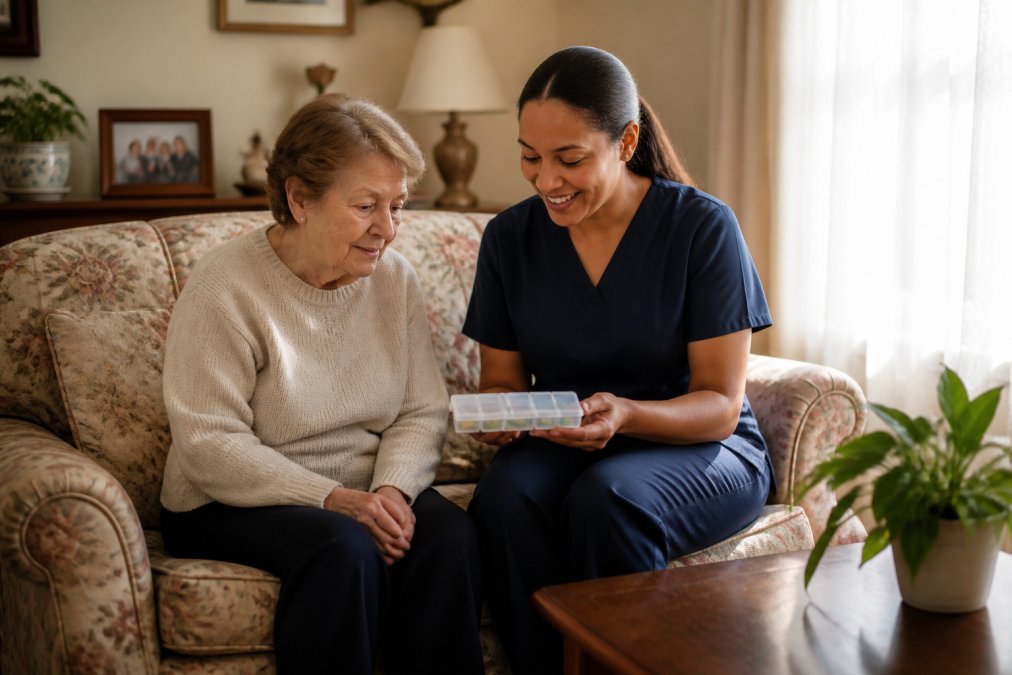
The scope of private duty home care is broader than most families expect. A well-structured care plan addresses physical safety, emotional wellbeing, medication adherence, and quality of life, all under one roof.
Non-Medical Personal Care and Daily Living Support
The foundation of most private duty care plans is assistance with activities of daily living, commonly called ADLs. These are the basic self-care tasks that become difficult or unsafe when a person's strength, cognition, or mobility declines.
Common ADL support includes:
- Personal hygiene: bathing, showering, oral care, hair grooming, and skin care
- Dressing: selecting appropriate clothing, managing buttons and fasteners
- Toileting: assistance with transfers, continence care, and dignity-centered support
- Mobility assistance: safe transfers from bed to chair, walking support, fall prevention
- Meal preparation: planning and cooking nutritious meals that match dietary needs
- Medication reminders: prompting clients to take prescribed medications on schedule
- Companionship: conversation, reading, games, and social engagement
Social isolation is a documented risk factor for cognitive decline in older adults, and a caregiver who genuinely connects with a client does more than check boxes.
Skilled and Specialized Care Options
Some clients need more than non-medical personal care. Private duty home care can include skilled nursing services, delivered by a licensed registered nurse or licensed practical nurse, for clients managing complex chronic conditions or recovering from surgery.
Skilled care services commonly available include:
- Wound care and post-surgical dressing changes
- Medication management beyond simple reminders (injections, IV therapy)
- Nursing assessments and care coordination with physicians
- Dementia support, including behavioral redirection and safety monitoring
- Chronic condition management for conditions such as Parkinson's, COPD, and diabetes
- Post-hospitalization care to reduce readmission risk
Private Duty Home Care vs. Home Health Care: Key Differences
Home health care is a Medicare-covered, physician-ordered service that provides skilled nursing or therapy for a specific medical condition, typically on a short-term, intermittent basis. Private duty home care is broader, longer-term, and generally not covered by Medicare.
| Feature | Home Health Care | Private Duty Home Care |
|---|---|---|
| Coverage | Medicare, Medicaid | Private pay, long-term care insurance |
| Duration | Short-term, episodic | Ongoing, long-term |
| Skilled nursing | Required | Optional |
| Personal care (ADLs) | Limited | Core service |
| Companionship | Not covered | Included |
| Hours per day | Typically 1-2 hours | 4 hours to 24/7 |
| Physician order required | Yes | No |
Families often assume that once Medicare-covered home health ends, they have no options. Private duty care fills that gap. A client discharged from a skilled nursing facility may qualify for a short course of home health, but when that ends, private duty care maintains progress and prevents decline.
According to the Medicare coverage guidelines for home health care, Medicare home health benefits require a physician's order and apply only when a patient is homebound and needs skilled nursing or therapy. Personal care alone does not qualify.
Cost of Private Duty Home Care Per Hour: What to Expect
The cost of private duty home care per hour varies based on geography, the level of care required, and whether you hire through an agency or independently. Pricing also differs between non-medical caregivers and licensed skilled nursing staff.
Because Loyal Care LLC tailors every care plan to the individual, pricing depends on the specific services, schedule, and hours needed. We encourage families to schedule a free consultation to get an accurate picture of what care would look like and what it would cost for their situation.
Insurance, Medicare, and Private Pay Options
Most private duty home care is paid out of pocket. Here is how the primary funding sources work:
Medicare: Covers skilled home health care under specific conditions. Does not cover ongoing personal care or companionship.
Medicaid: Some states offer Medicaid waiver programs that cover personal care services for eligible low-income individuals. The Medicaid home and community-based services waiver information provides state-by-state details on available programs.
Long-term care insurance: Many policies cover private duty home care, including non-medical personal care, once the policyholder meets the benefit trigger. Review your policy carefully and contact the insurer before assuming coverage.
Veterans benefits: Eligible veterans may access the VA's Aid and Attendance benefit or other home care programs. The VA Aid and Attendance and Housebound benefits program provides supplemental income to veterans who need help with daily activities.
Private pay: The most common funding source. Families pay directly, often supplementing with savings, retirement income, or proceeds from a home sale.
Private Duty Home Care Assessment Checklist Before You Start
A structured in-home assessment is how a quality agency determines the right care plan. Do not skip this step or accept a generic plan built from a phone call alone.
Use this checklist to evaluate whether an assessment is thorough:
Schedule Your FREE Consultation →
Clinical and functional needs:
- ADL inventory: which tasks does the client need help with, and how much assistance?
- Mobility and fall risk assessment
- Cognitive status screening (memory, orientation, judgment)
- Current medications and management needs
- Chronic conditions that affect care requirements
- Post-hospitalization or post-surgical needs
Home environment:
- Safety hazards (rugs, poor lighting, bathroom grab bars)
- Accessibility of key areas (bedroom, bathroom, kitchen)
- Emergency contact and communication plan
Social and emotional factors:
- Client preferences, routines, and lifestyle
- Companionship needs and interests
- Family involvement and communication expectations
Care plan specifics:
- Hours per week and schedule flexibility
- Caregiver matching criteria (personality, skills, experience)
- Backup caregiver plan if primary caregiver is unavailable
- Reassessment schedule as needs change
A quality agency treats the assessment as the foundation of a lasting relationship, not a sales call.
How to Choose a Home Care Agency You Can Actually Trust
Choosing the right agency is critical. The caregiver who walks through the door will be alone with your loved one, often for hours at a time. The agency behind them determines how that person was hired, trained, and supervised.
Caregiver Vetting, Training, and Safety Protocols
A reputable private duty home care agency handles caregiver vetting as a non-negotiable standard. At minimum, expect:
- Criminal background checks: comprehensive, not just a name search
- Reference verification: prior employment and personal references contacted
- Skills assessment: demonstrated competency in personal care, transfers, and any specialized tasks required
- Caregiver training: orientation on dementia support, safety protocols, and client-centered care
- Licensed and bonded status: the agency carries liability insurance and workers' compensation
- Ongoing supervision: a supervisor conducts regular check-ins
Technology, Supervision, and Family Communication
Families who work full-time and cannot be present during care hours need more than a phone number to call. Modern home care agencies use technology to provide real-time accountability and transparent communication.
What to look for:
- Electronic Visit Verification (EVV): confirms caregiver arrival and departure via GPS or telephony
- Family portals or apps: digital platforms where family members can view care logs, shift notes, and caregiver schedules
- Supervisory visits: in-person or virtual check-ins by a care coordinator to assess client wellbeing and caregiver performance
- Incident reporting: a clear process for documenting and communicating any safety concern or change in condition
| What to Ask | Why It Matters |
|---|---|
| How are caregivers background-checked? | Confirms depth of screening beyond a basic name search |
| Does the agency carry workers' comp? | Protects the family from employer liability |
| How do you handle caregiver no-shows? | Tests whether a backup system actually exists |
| Can I switch caregivers if it's not a good fit? | Ensures flexibility without penalty |
| How will I know what happened during a shift? | Confirms communication and documentation standards |
Benefits of Private Duty Care: Independence, Safety, and Family Peace of Mind
Private duty home care preserves what matters most to aging adults: the ability to stay in their own home, on their own terms. Research consistently supports the preference for aging in place, and outcomes reflect that preference when care is done well.

For adult children managing work, their own families, and a parent's care simultaneously, professional in-home support is often the difference between sustainable caregiving and burnout. According to AARP's research on family caregiving in America, the majority of family caregivers report that professional in-home support significantly reduces their own stress and improves the quality of care their loved one receives.
Key benefits include:
- Client independence: care is structured around the client's preferences and routines
- Safety monitoring: a trained caregiver identifies changes in condition early, reducing emergency room visits
- Medication adherence: consistent medication reminders reduce missed doses
- Social connection: regular companionship reduces isolation and cognitive decline
- Customized care plans: care adjusts as needs change
- Patient-centered care: decisions center on the client's goals and quality of life
Respite Care and Preventing Caregiver Burnout
Family caregivers are at significant risk of burnout. Respite care, where a professional caregiver steps in temporarily to give the family caregiver a break, is one of the most underused tools in long-term care planning.
Respite care can be scheduled regularly (a few hours each week) or for longer blocks when a family caregiver needs to travel, recover from illness, or rest.
Private duty home care services give aging adults the support they need to live safely and comfortably at home, while giving families the confidence that their loved one is genuinely cared for. Loyal Care LLC offers customized care plans built around each client's unique needs, one-on-one assistance from trained caregivers, and the flexibility to scale from a few hours a week to full-time support. Schedule your free consultation with Loyal Care LLC and get a care plan designed around your family's specific situation.
Frequently Asked Questions
What does private duty home care mean?
Private duty home care refers to one-on-one, non-medical or skilled care delivered in a client's home, typically on a private pay or long-term care insurance basis rather than through a Medicare-certified home health agency. Services cover activities of daily living such as bathing, grooming, meal preparation, medication reminders, and companionship. Care hours are flexible, ranging from a few hours per week to around-the-clock support, and are shaped around each client's customized care plan rather than a standardized medical protocol.
What is the difference between home health care and private duty care?
Home health care is medically focused, typically ordered by a physician after a hospitalization or acute event, and is often covered by Medicare for a limited period. It involves skilled nursing visits, physical therapy, or wound care. Private duty home care is broader and longer-term: it covers non-medical personal care, companionship, and daily living support with no physician order required. Families choose private duty care when a loved one needs ongoing help that goes beyond what short-term skilled care provides.
Will Medicare pay for a caregiver at home?
Medicare generally does not cover ongoing private duty home care for activities of daily living such as bathing, dressing, or companionship. Medicare Part A and Part B may cover short-term skilled nursing or therapy services following a qualifying hospital stay, but those benefits end once the skilled need resolves. Families funding long-term in-home assistance typically rely on private pay, long-term care insurance, Veterans Affairs benefits, or Medicaid waiver programs where eligible. Check with your insurer or a benefits counselor for your specific situation.
How do I hire a caregiver privately and what should I look for?
Start with an in-home assessment to document the care needs, then request proof that any agency is licensed and bonded in your state. Ask specifically about caregiver training standards, background check processes, and how the agency handles caregiver absences or poor fits. Confirm supervision protocols and how the agency communicates with family members. A reputable agency will build a customized care plan, introduce the caregiver before the first shift, and offer a clear process for requesting a different caregiver if the match isn't right.
What services are included in private duty home care?
Services typically include personal hygiene assistance such as bathing, grooming, and toileting; mobility assistance; medication reminders; meal preparation; light housekeeping; errands; and companionship. Many agencies also offer specialized support for dementia, post-hospitalization recovery, and chronic condition management. Skilled private duty nursing, including nursing assessments and wound care oversight, may be available through agencies that employ licensed nurses. The exact mix depends on the client's customized care plan and the agency's staffing credentials.
This article was written using GrandRanker
Frequently Asked Questions
What does private duty home care mean?
Private duty home care refers to one-on-one, non-medical or skilled care delivered in a client's home, typically on a private pay or long-term care insurance basis rather than through a Medicare-certified home health agency. Services cover activities of daily living such as bathing, grooming, meal preparation, medication reminders, and companionship. Care hours are flexible, ranging from a few hours per week to around-the-clock support, and are shaped around each client's customized care plan rather than a standardized medical protocol.
What is the difference between home health care and private duty care?
Home health care is medically focused, typically ordered by a physician after a hospitalization or acute event, and is often covered by Medicare for a limited period. It involves skilled nursing visits, physical therapy, or wound care. Private duty home care is broader and longer-term: it covers non-medical personal care, companionship, and daily living support with no physician order required. Families choose private duty care when a loved one needs ongoing help that goes beyond what short-term skilled care provides.
Will Medicare pay for a caregiver at home?
Medicare generally does not cover ongoing private duty home care for activities of daily living such as bathing, dressing, or companionship. Medicare Part A and Part B may cover short-term skilled nursing or therapy services following a qualifying hospital stay, but those benefits end once the skilled need resolves. Families funding long-term in-home assistance typically rely on private pay, long-term care insurance, Veterans Affairs benefits, or Medicaid waiver programs where eligible. Check with your insurer or a benefits counselor for your specific situation.
How do I hire a caregiver privately and what should I look for?
Start with an in-home assessment to document the care needs, then request proof that any agency is licensed and bonded in your state. Ask specifically about caregiver training standards, background check processes, and how the agency handles caregiver absences or poor fits. Confirm supervision protocols and how the agency communicates with family members. A reputable agency will build a customized care plan, introduce the caregiver before the first shift, and offer a clear process for requesting a different caregiver if the match isn't right.
What services are included in private duty home care?
Services typically include personal hygiene assistance such as bathing, grooming, and toileting; mobility assistance; medication reminders; meal preparation; light housekeeping; errands; and companionship. Many agencies also offer specialized support for dementia, post-hospitalization recovery, and chronic condition management. Skilled private duty nursing, including nursing assessments and wound care oversight, may be available through agencies that employ licensed nurses. The exact mix depends on the client's customized care plan and the agency's staffing credentials.